Appliance repair help in all 50 states
Appliance problems?
Get help with one call.
From refrigerators that stop cooling to washers that won't drain and dryers that won't heat, get dependable repair help for your home.
- One call — no forms
- Independent local repair providers
- Price confirmed before work
- Straight answers about what's wrong
- No forms — just one call
- Price confirmed before any work starts
Gas smell, smoke, sparking, or water near outlets?
Get safe before anything else. Smell gas: leave and call your gas utility or 911 from outside.
Repair services
What needs fixing?
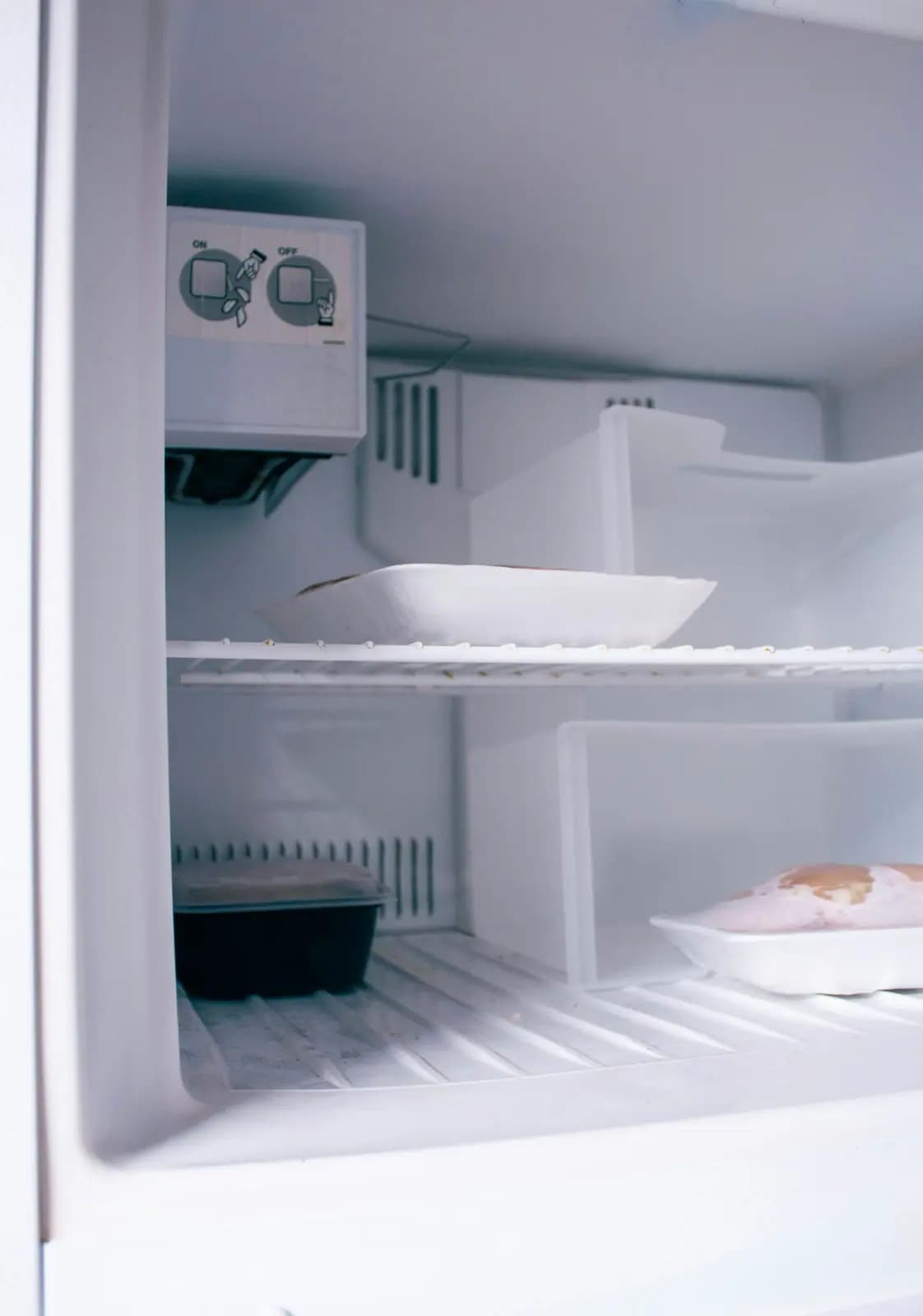
- Refrigerator repairWarm fresh-food section, leaks under the crisper, frost on the back panel.Causes & next steps
- Washer repairWater left in the drum, no spin, leaks, or walking across the floor.Causes & next steps
- Dryer repairTwo cycles to dry, no heat, or a burning smell — start with the vent.Causes & next steps
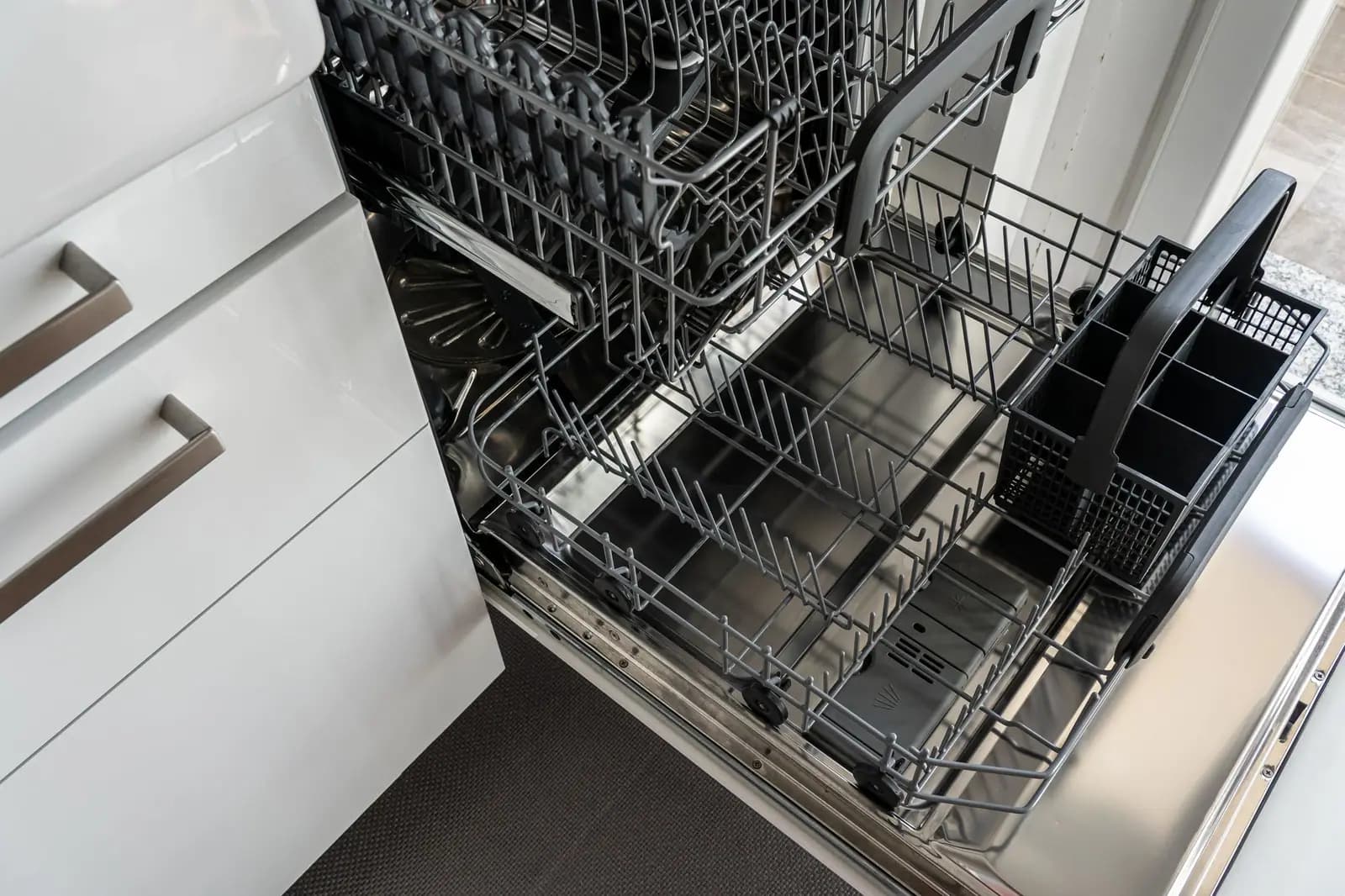
- Dishwasher repairStanding water, gritty dishes, or a puddle in front of the door.Causes & next steps
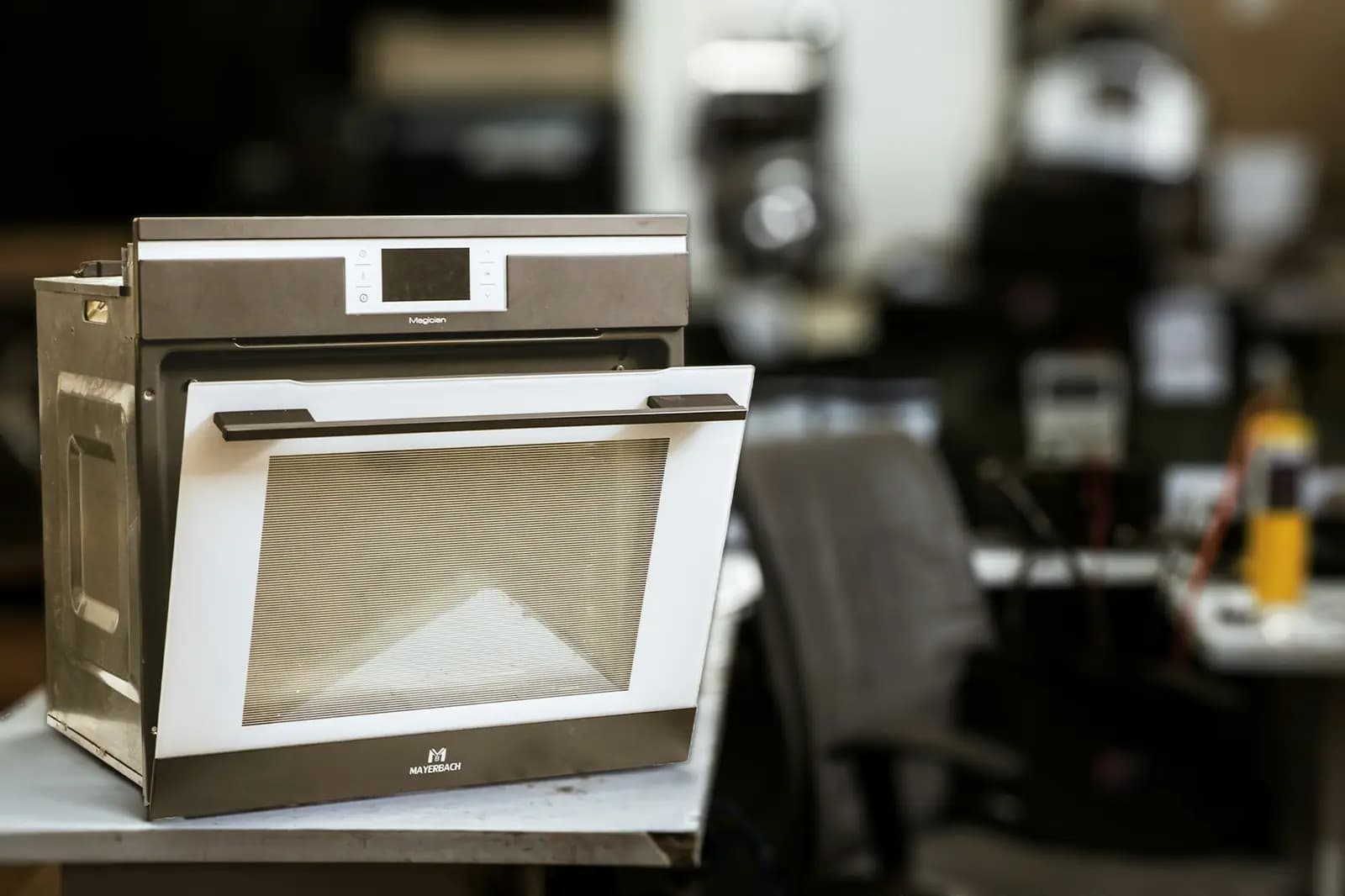
- Oven repairSlow preheat, burnt bottoms, or an oven that won't hold temperature.Causes & next steps
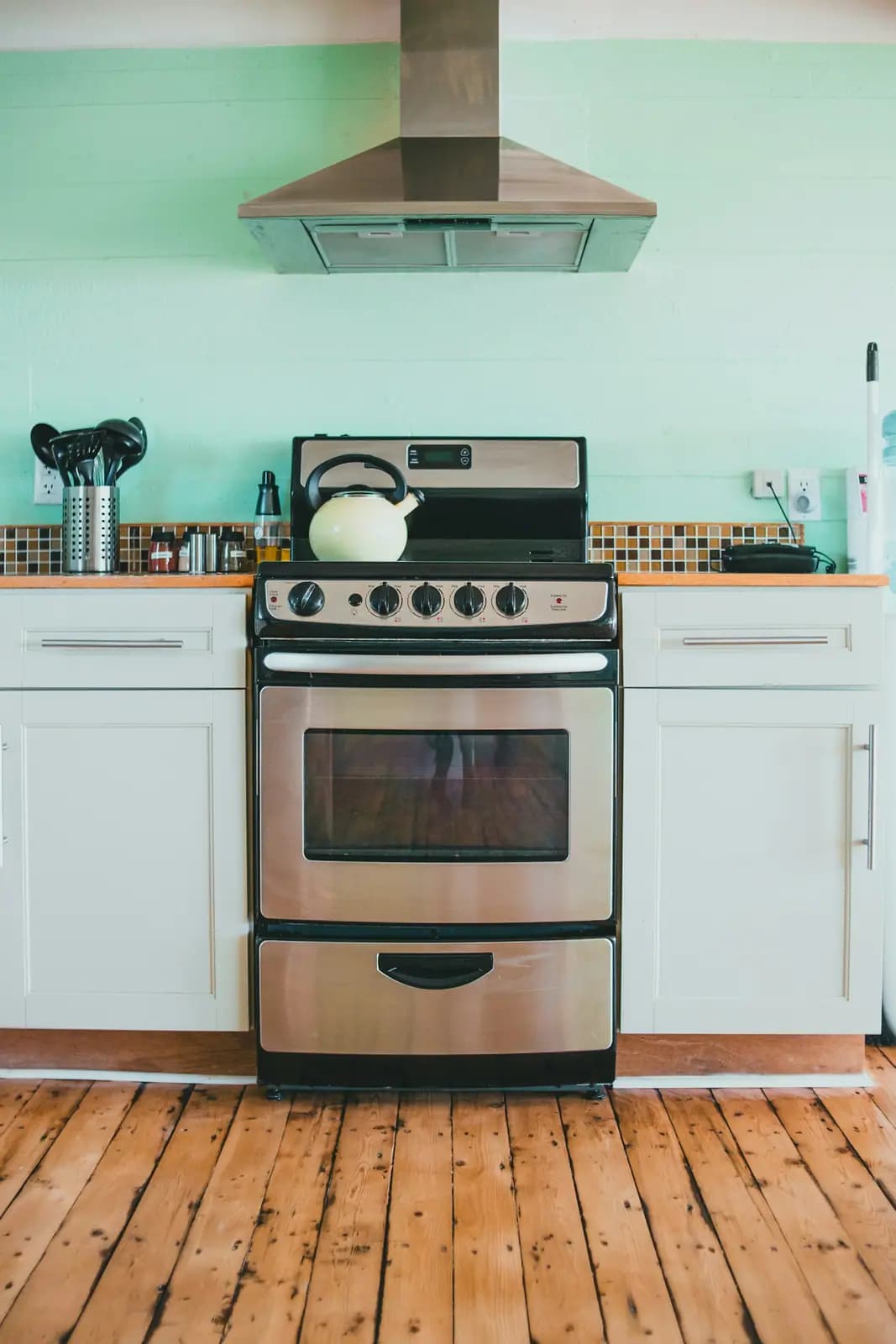
- Stove & range repairBurners that click but won't light, uneven flames, or dead elements.Causes & next steps
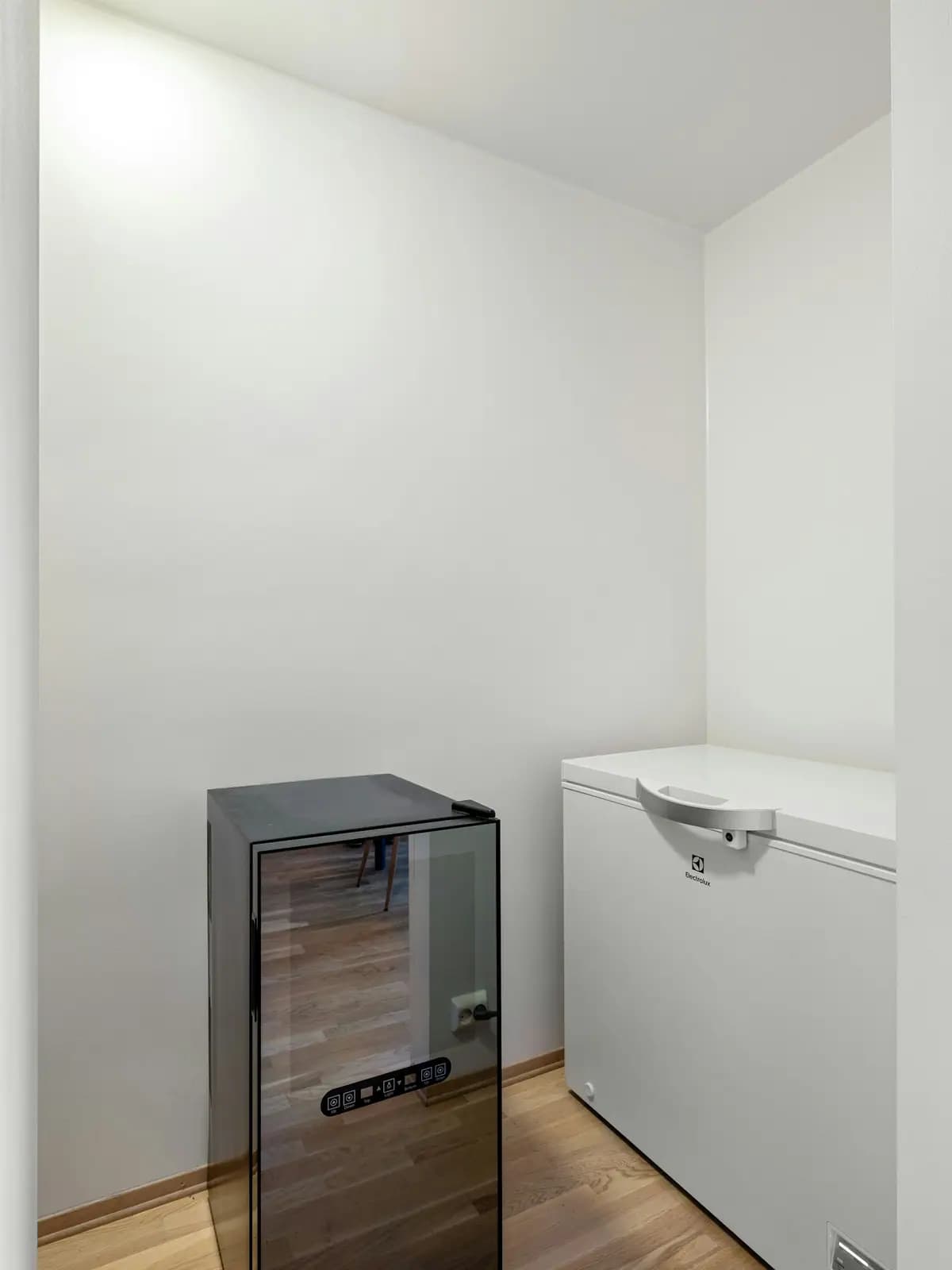
- Freezer repairSoft ice cream, heavy frost, or a garage freezer that quits in winter.Causes & next steps
- Ice maker repairNo ice, hollow cubes, or water on the freezer floor.Causes & next steps
Common problems
Start with what it's doing
Pick the symptom, then the appliance. Each guide covers likely causes, safe checks, and when to stop.
Not cooling
Leaking
Not heating
Not draining
Not spinning
Making noise
Won't start or light
Not freezing
Inside the repair
What appliance problems actually look like
Licensed stock photography chosen to explain each fault — not photos of RepairHearth jobs.
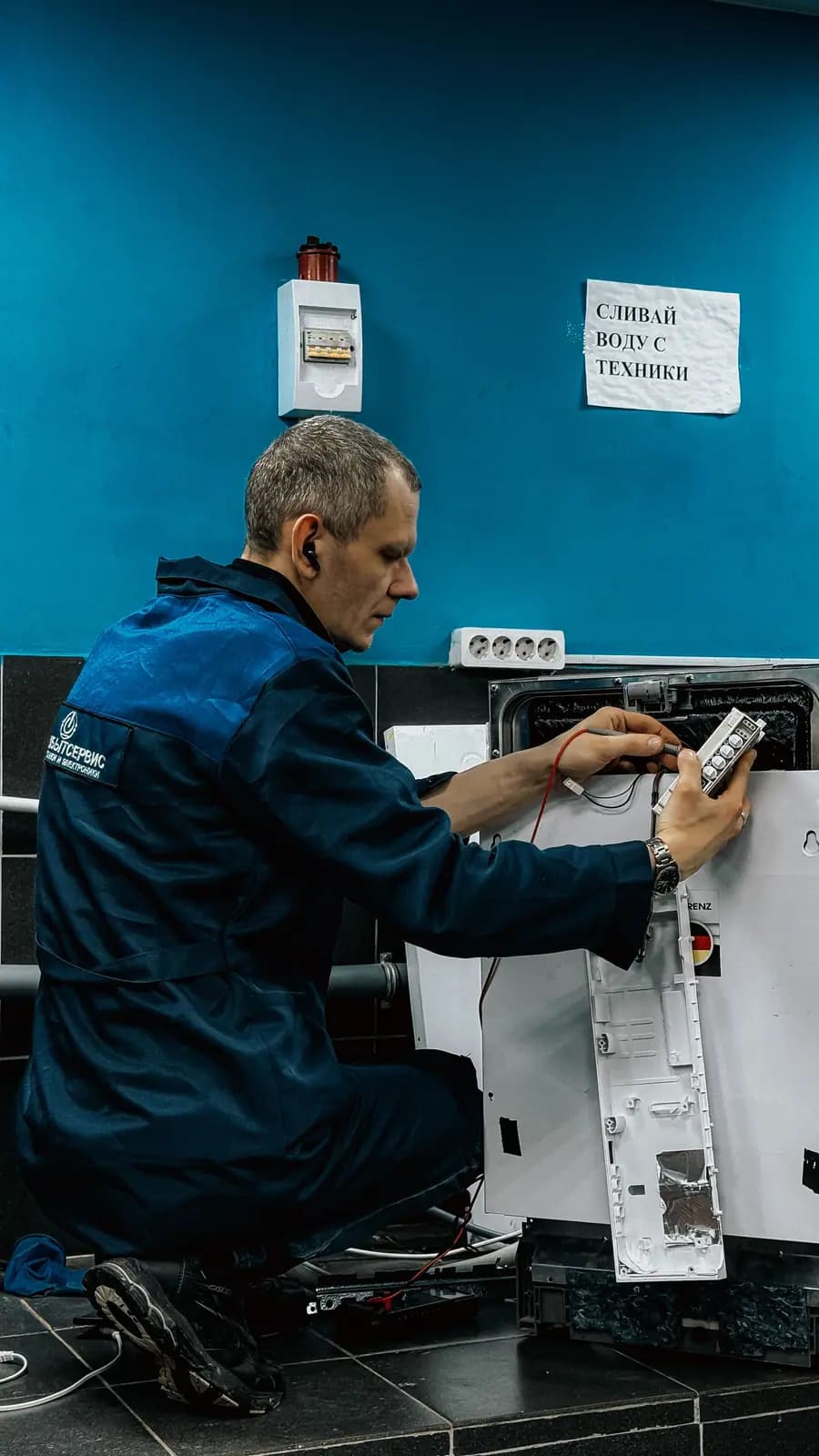
Diagnosis comes before partsControls, switches, and heaters are confirmed with a meter — guessing at parts is how repairs get expensive.What affects repair cost 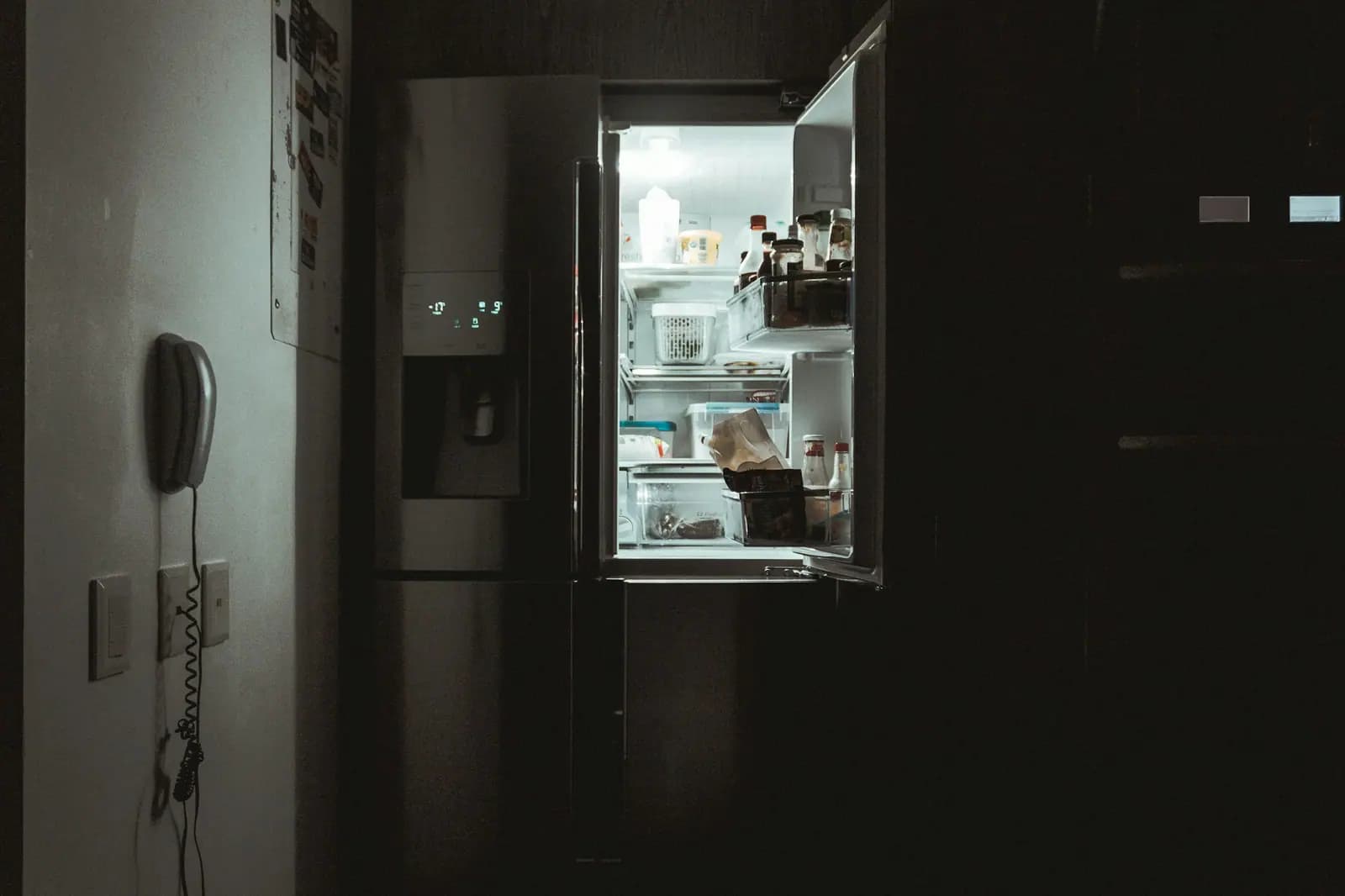
Cold freezer, warm fridgeUsually airflow or defrost, not the compressor.Refrigerator not cooling 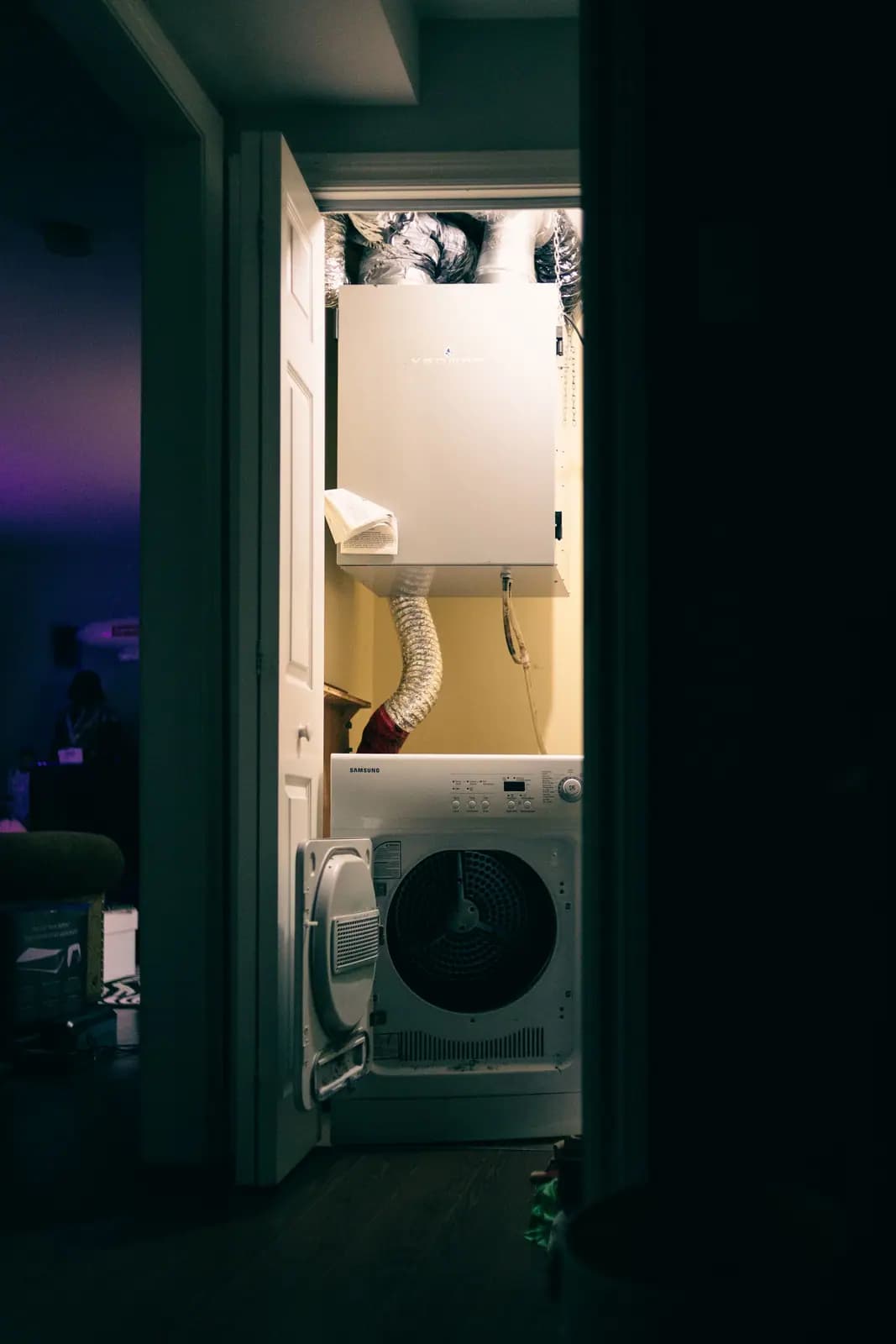
The duct behind the dryerCrushed foil duct is the most common cause of slow drying.Dryer taking too long 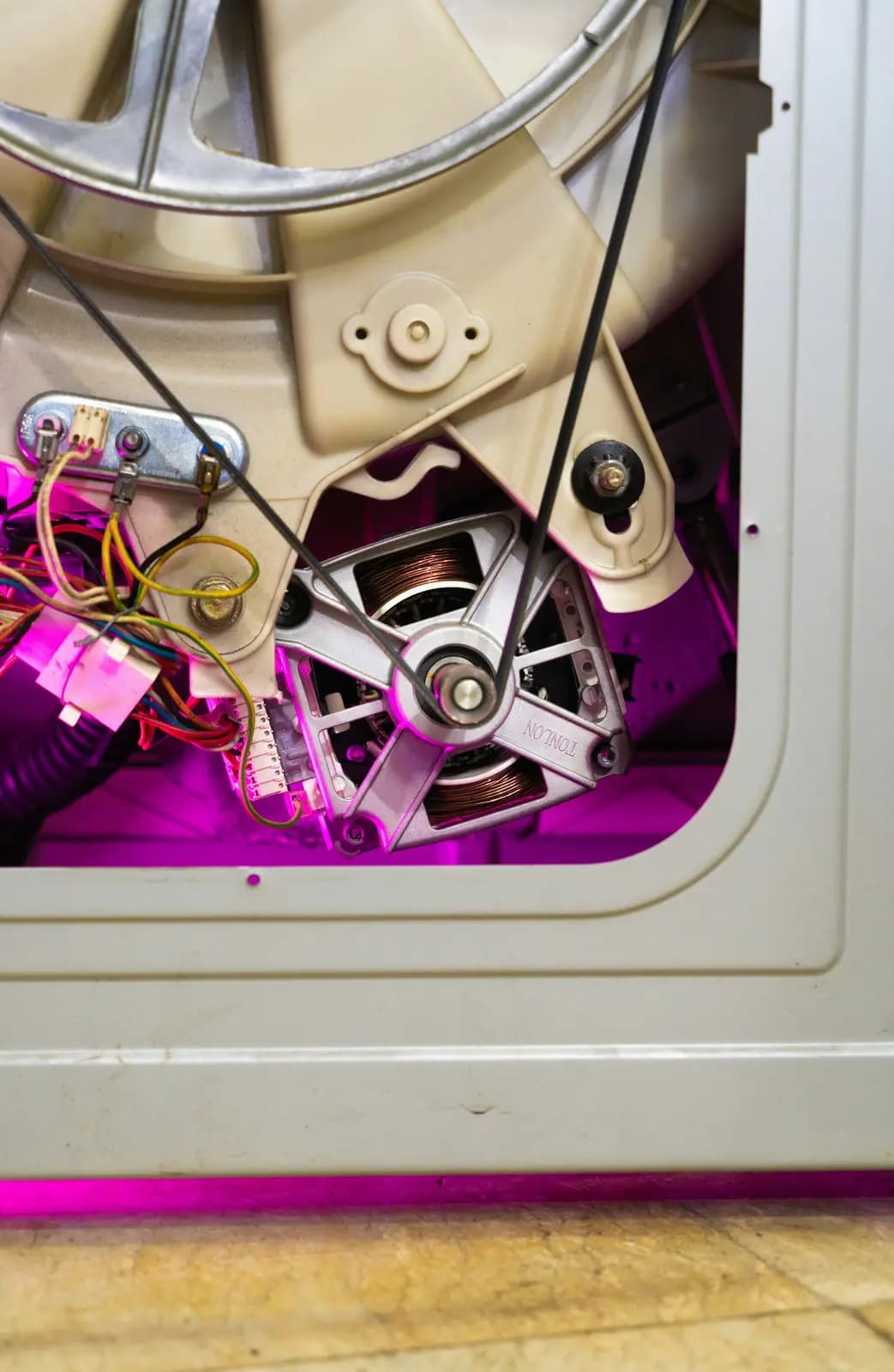
Behind the washer's back panelMotor, belt, and wiring — technician territory, always unplugged first.Washer not spinning 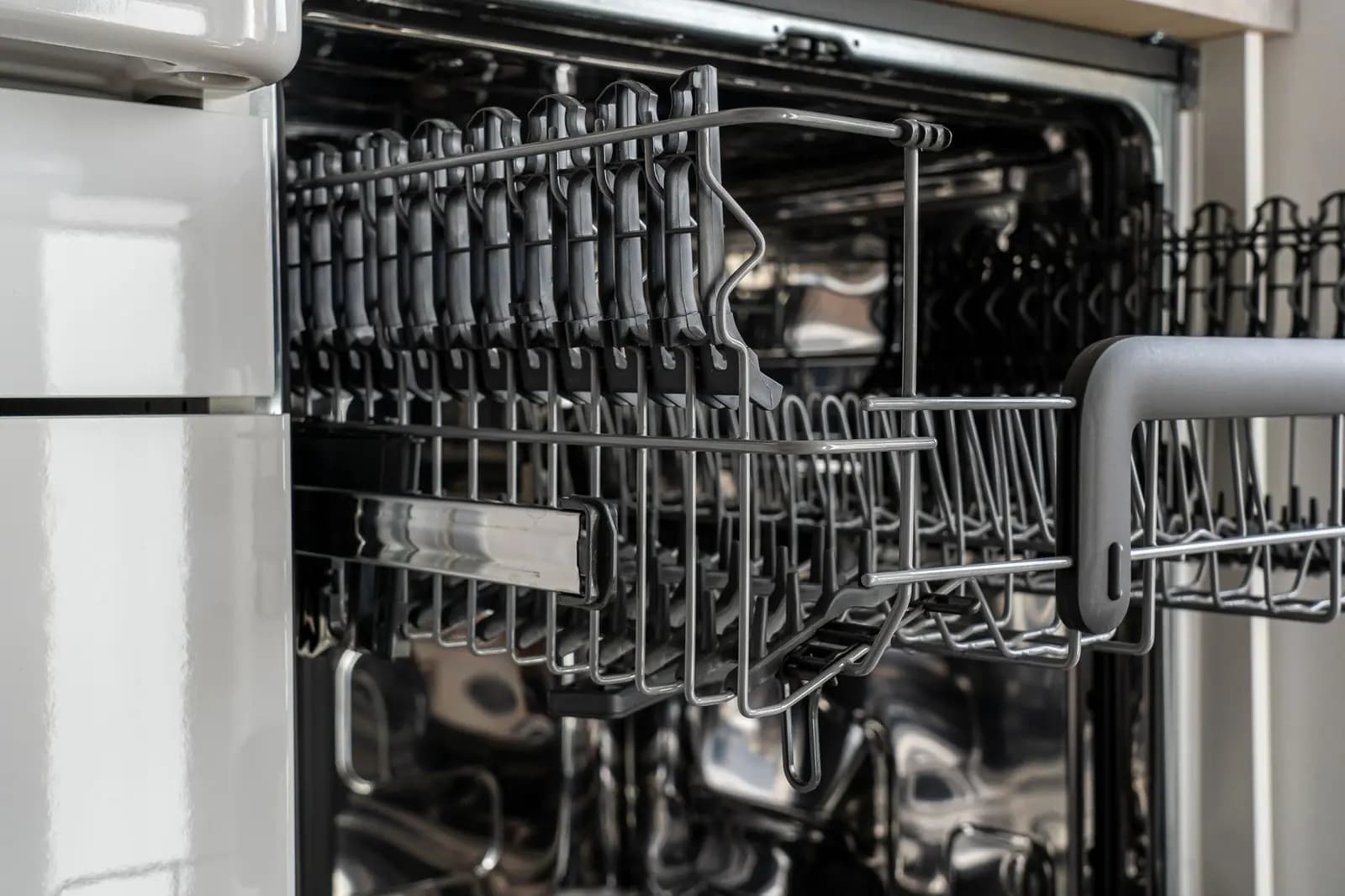
Spray arm and filterMost 'not cleaning' complaints start with a blocked filter or arm.Dishwasher not cleaning 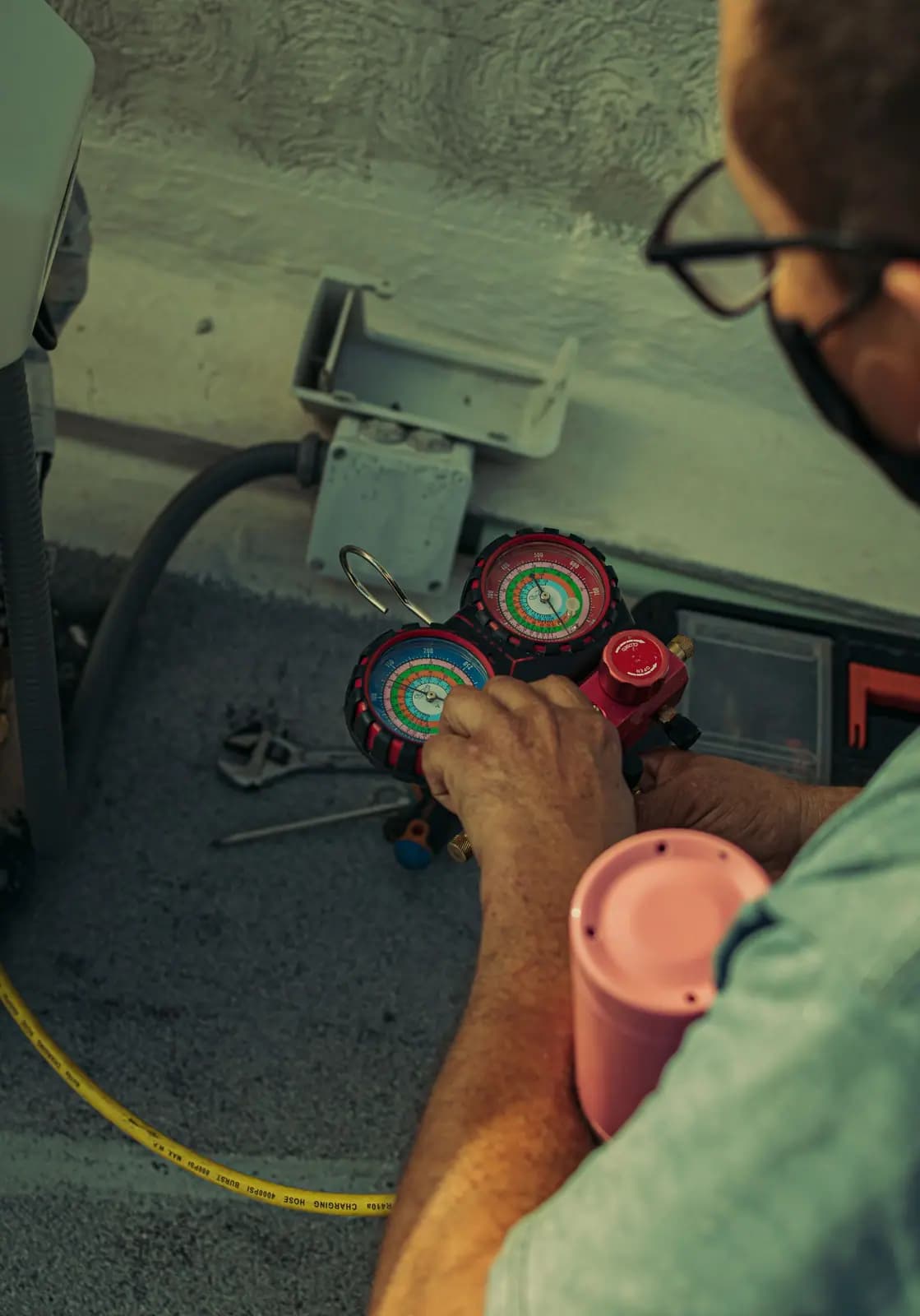
Sealed-system work is technician-onlyRefrigerant handling requires EPA certification and gauges. It's also where repair-or-replace becomes a real question.Refrigerator: repair or replace?
1 of 6
Troubleshooting
Narrow it down in two taps
Choose the appliance and what it's doing. You can check for a provider in the same place.
2. What's it doing?
- Not cooling / too warm
- Freezing food
- Leaking water
- Making noise
- Ice maker not working
- Freezer section not freezing
- Frost building up
3. Need a technician?
Call about refrigerator repair.
Our phone line is being set up. Please check back soon.
Before & after
What common problems look like before and after the fix
Real photos of four common conditions, plus a short narrated walkthrough. Each pair shows the same problem on different appliances — none of them are RepairHearth jobs.
Read the transcript
Here's what four common appliance problems look like, before and after the fix.
These are example photos of each condition, not RepairHearth jobs.
Freezer frost.
Thick frost on the walls means humid air is getting in, or the defrost system has stopped working.
It blocks airflow, so food softens even while the freezer runs.
Once the cause is fixed and the ice is cleared, cold air circulates again.
You can check the door seal yourself. Defrost parts are technician work.
Dryer duct.
A long, sagging foil duct traps lint in every dip.
It's the most common reason clothes need two cycles, and lint buildup is a fire risk.
A short, smooth metal duct lets moist air out, and normal drying times come back.
Clean the lint screen after every load.
Dishwasher.
Food debris and standing water in the tub usually point to a clogged filter or drain.
With the filter rinsed and the drain clear, water leaves the tub, and the spray arms get full pressure.
If it still won't drain, the pump may need a technician.
Gas cooktop.
Spills and burnt residue can block the igniter and the burner ports, so the burner clicks but won't light.
Cleaned, dried, and with the cap seated properly, you should see a steady, mostly blue flame.
If you ever smell gas, leave first, and call from outside.
If a safe check doesn't fix it, get it diagnosed.
See whether a participating repair provider serves your ZIP at repairhearth.com.
In the video
- 1Freezer frost buildupFrost seals the walls and chokes the cold-air path.
- 2Dryer ductSagging foil duct: lint settles in every dip.
- 3Dishwasher drain and filterDebris and standing water in the bottom of the tub.
- 4Gas cooktop burnerSpills and burnt residue around the burner ports.
Each segment ends with what you can safely check yourself — and when it's a technician job.
Freezer frost buildup
Before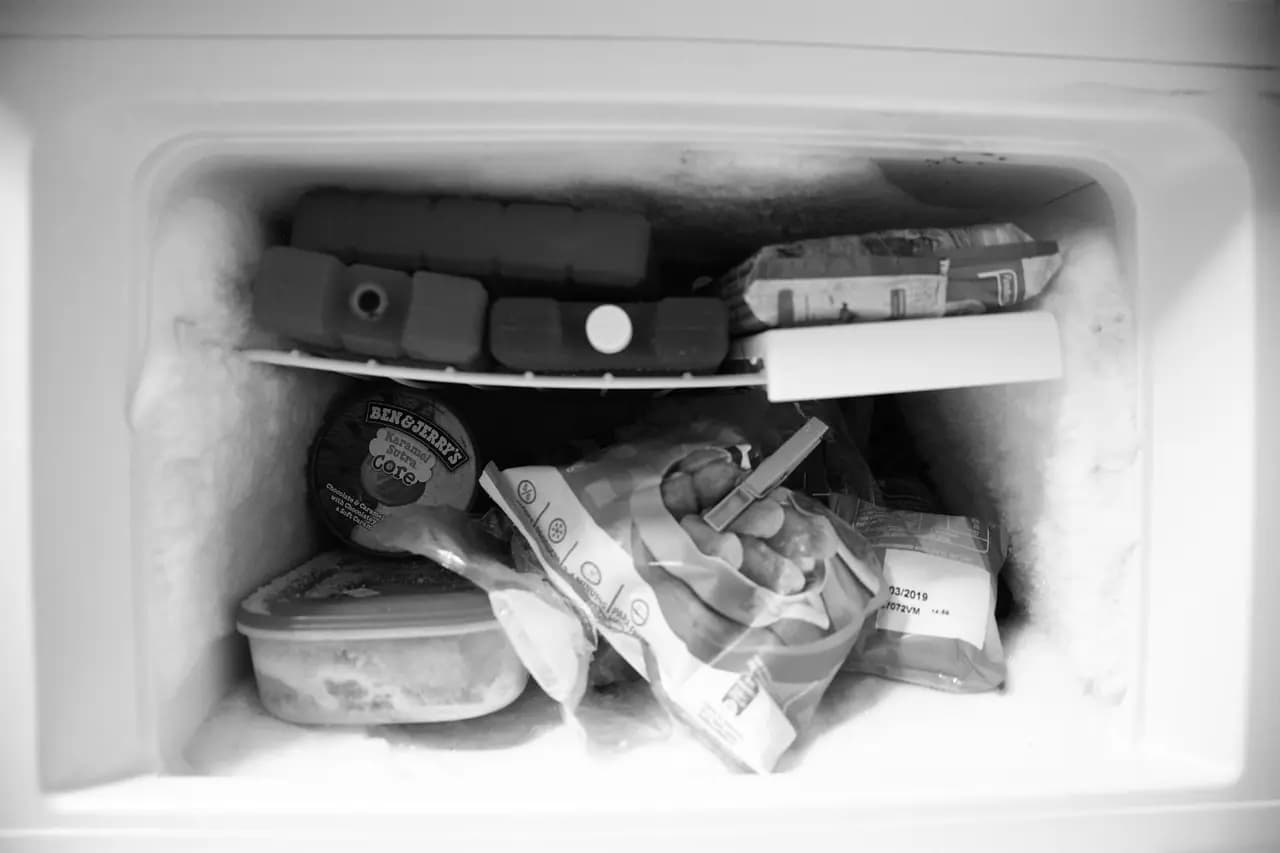
Before: Frost seals the walls and chokes the cold-air path. AfterAfter: Bare walls and clear vents: cold air circulates again. Example photos of the condition — different appliances, not RepairHearth jobs. Photos: juliopablo (Pixabay) · S. Laiba Ali (Unsplash).
Dryer duct
Before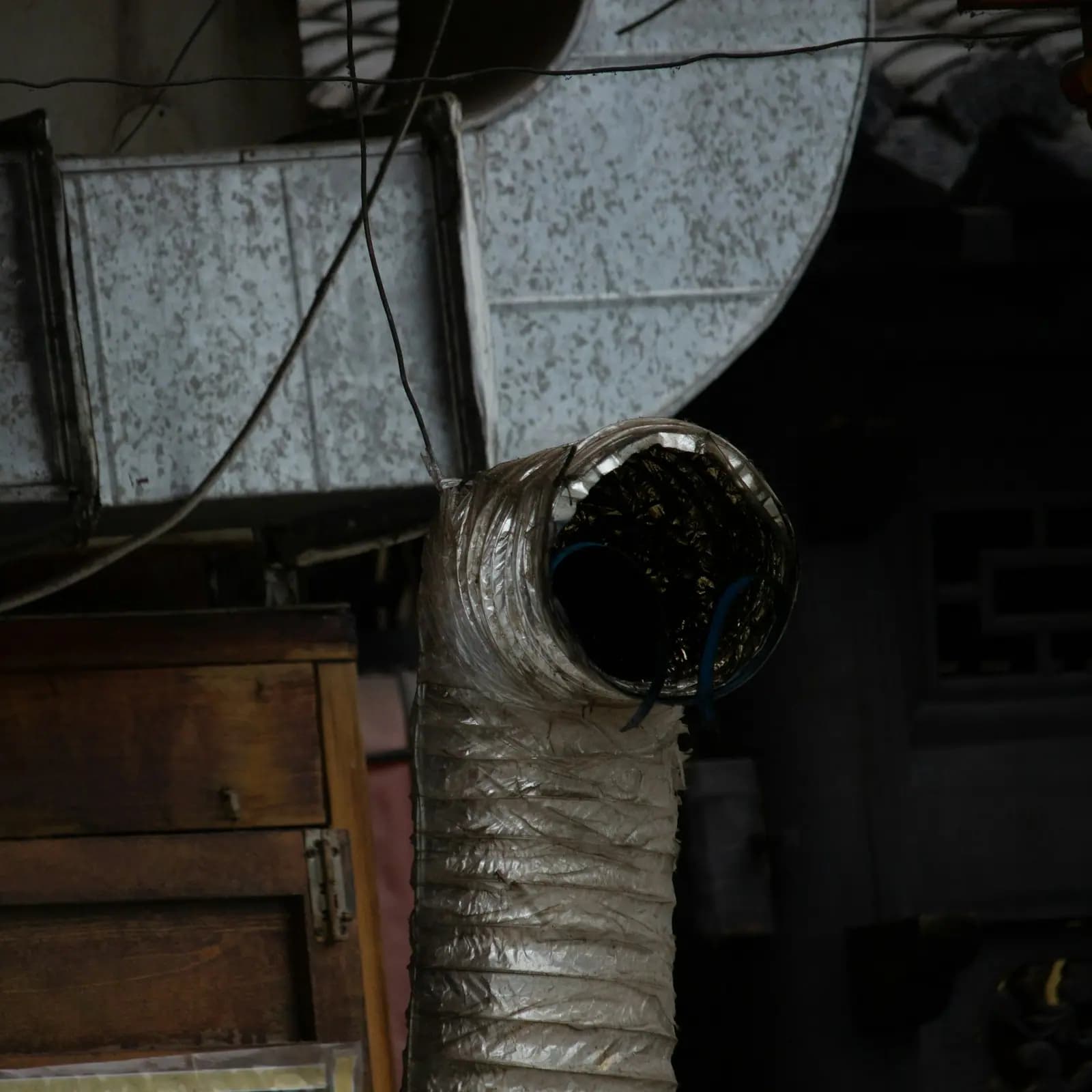
Before: Sagging foil duct: lint settles in every dip. After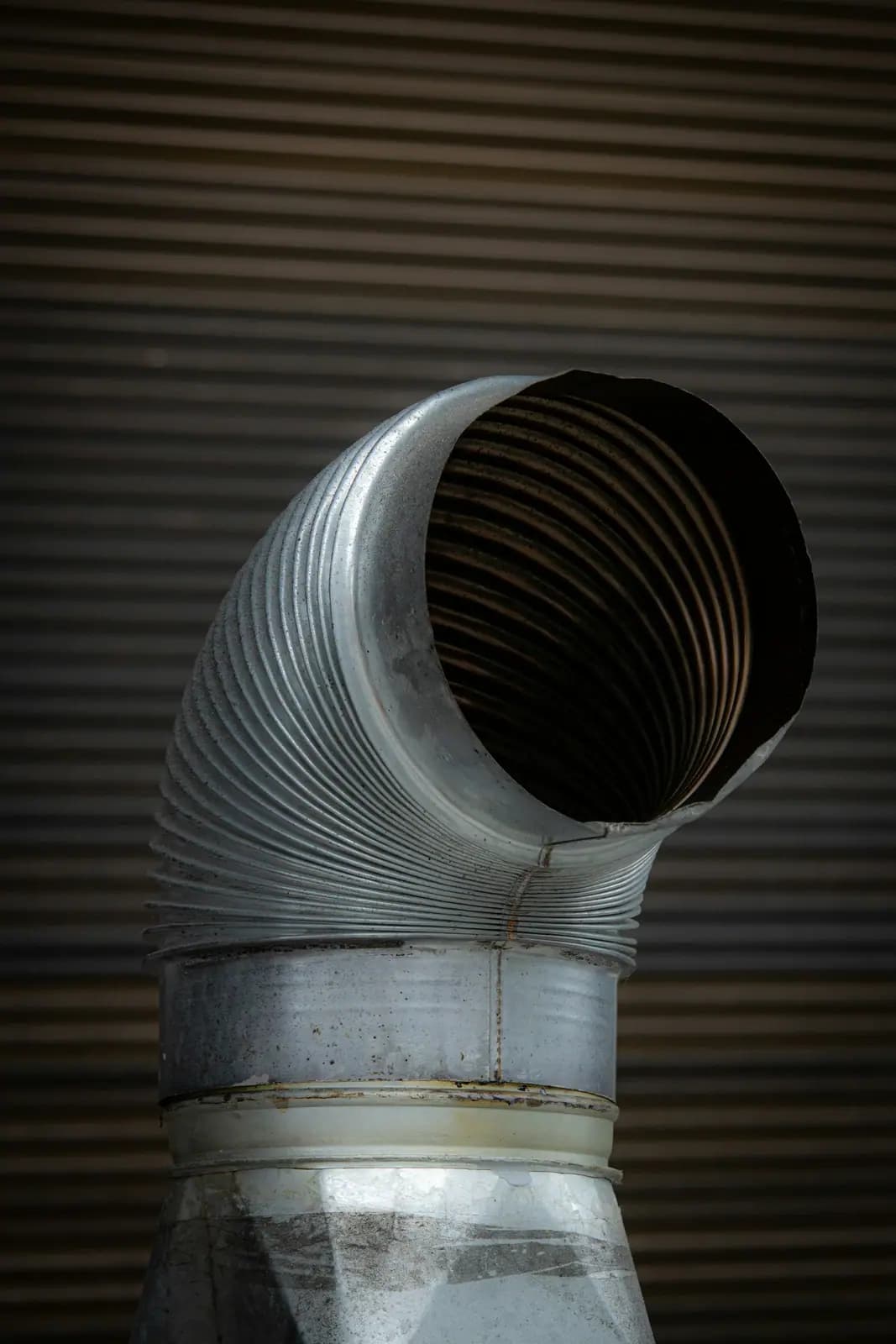
After: Smooth metal duct: moist air leaves quickly. Example photos of the condition — different appliances, not RepairHearth jobs. Photos: Yanping Ma (Unsplash) · Yanping Ma (Unsplash).
Dishwasher drain and filter
Before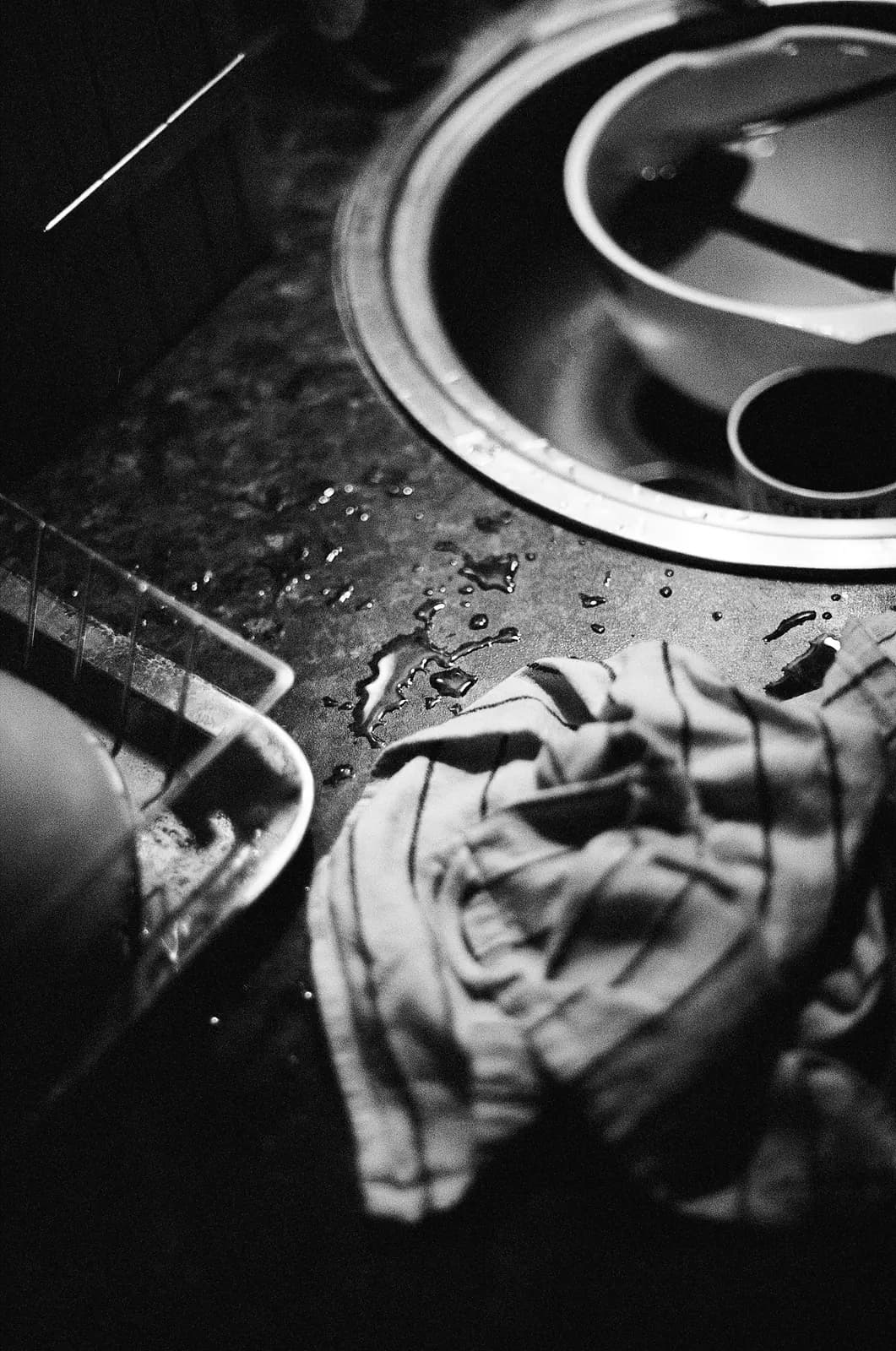
Before: Debris and standing water in the bottom of the tub. AfterAfter: Clear tub floor: water drains and the spray arms get full pressure. Example photos of the condition — different appliances, not RepairHearth jobs. Photos: Richard Stachmann (Unsplash) · Castorly Stock (Pexels).
Gas cooktop burner
Before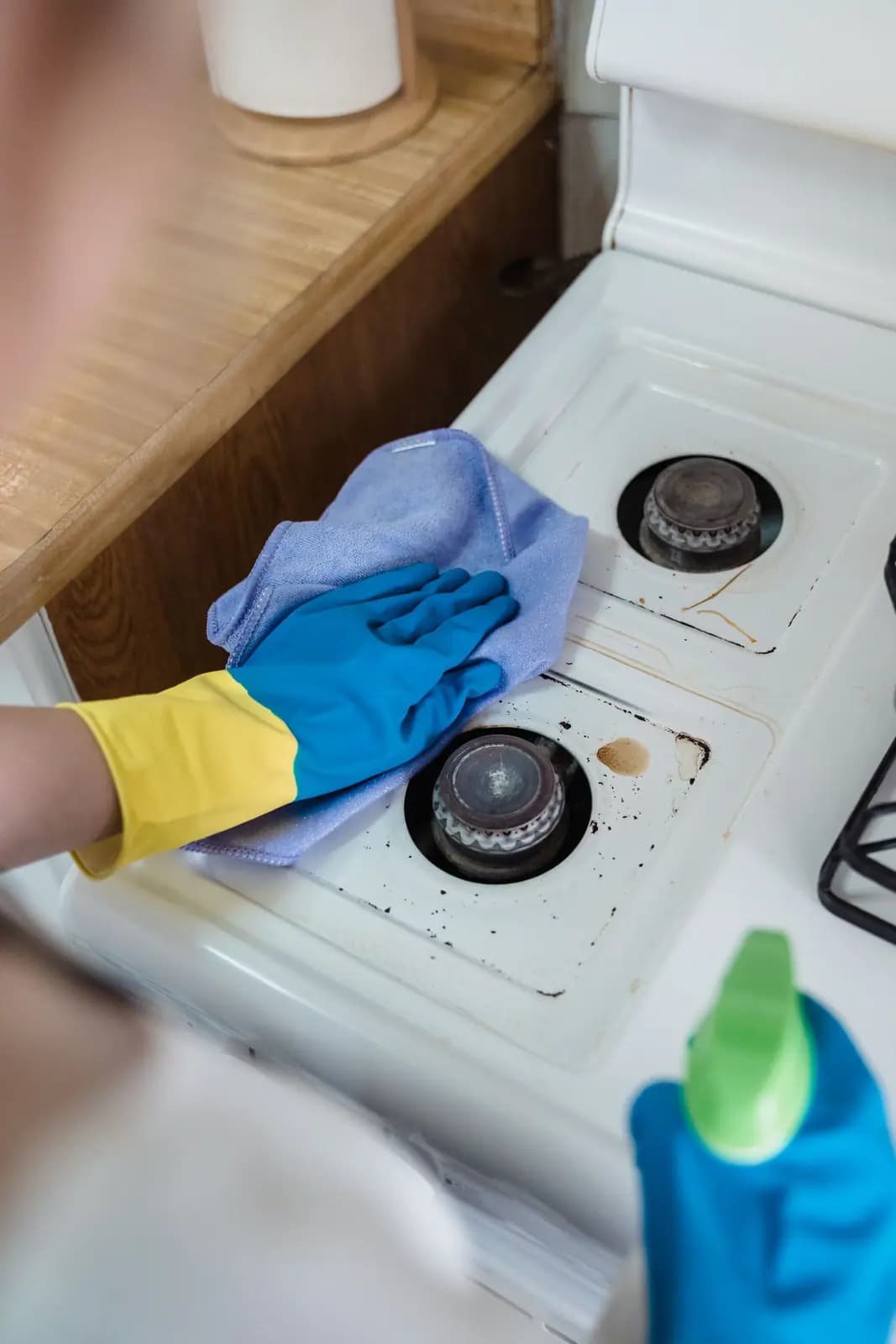
Before: Spills and burnt residue around the burner ports. After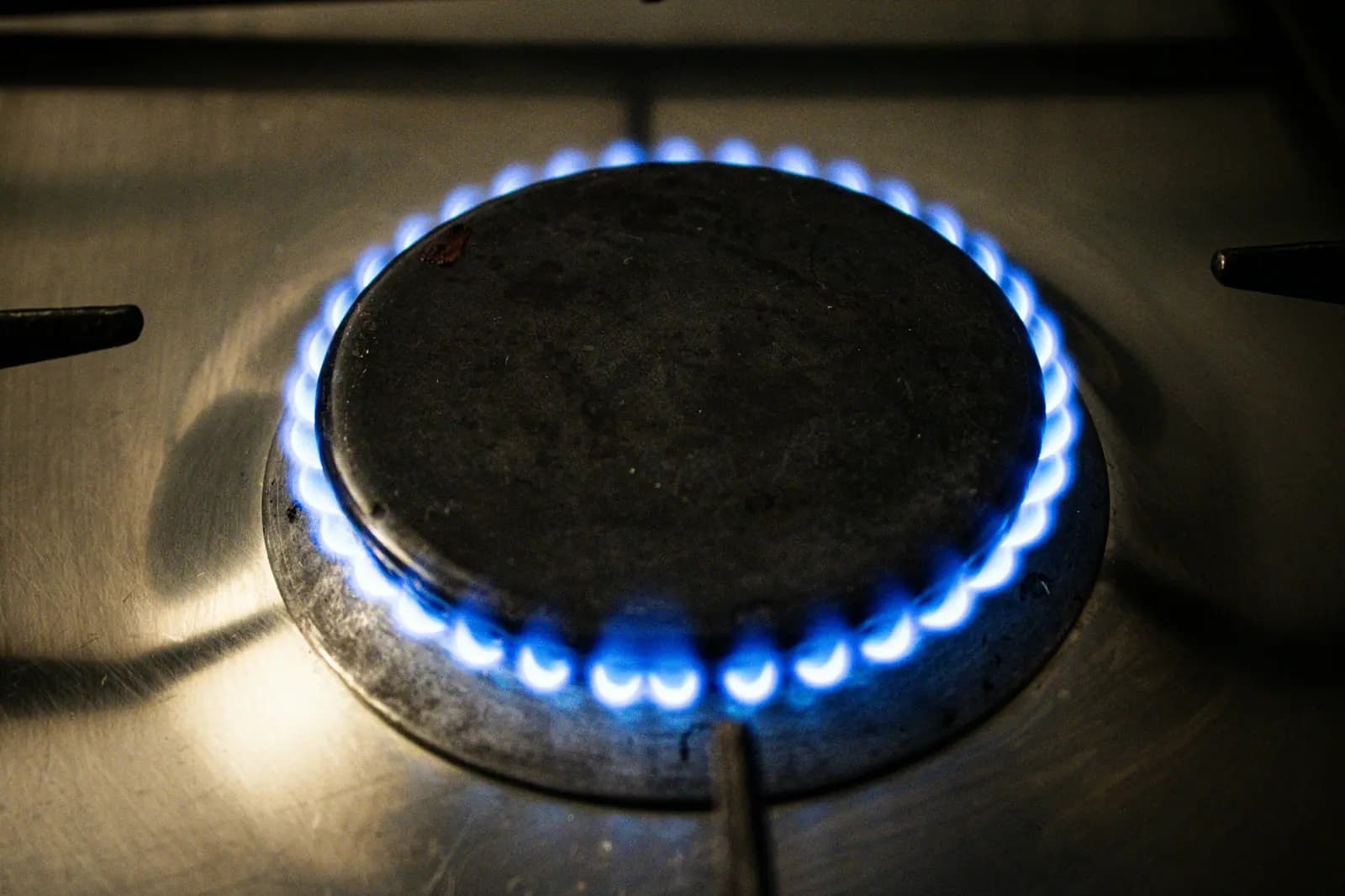
After: Clean, dry burner: a steady, mostly blue flame. Example photos of the condition — different appliances, not RepairHearth jobs. Photos: Liliana Drew (Pexels) · Mark Owen Wilkinson Hughes (Unsplash).
Two more, illustrated
No honest photo pair exists for these yet, so they're original illustrations.
Refrigerator condenser coil BeforeBefore: Dust and pet hair blanket the coil, so heat can't escape. The compressor runs longer and cooling margins shrink.
AfterAfter: Clean coil with clear airflow — heat leaves easily. Clean only as your manual describes, with the unit unplugged.
Refrigerator door gasket BeforeBefore: A twisted or torn gasket leaves a gap: a sheet of paper slides out freely and warm, humid air leaks in, causing frost and sweating.
AfterAfter: Gasket seated evenly around the door; the paper test shows resistance at every point.
How it works inside
Know the system, find the fault faster
Most repairs trace back to one stage of a simple path. These diagrams appear throughout our guides.
Dryer airflow
- 1HeaterElement (electric) or burner (gas)Technician
- 2DrumHot air passes through tumbling clothes
- 3Lint screenClean every loadYou can check
- 4DuctNo kinks or crushingYou can check
- 5Vent hoodFlap opens, no blockageYou can check

How it works
From request to repair, with no guesswork about status
- 1Call usOne phone call. No forms, no account.
- 2Describe the problemBrand, model, symptoms and what you've tried.
- 3We check your ZIP on the callAnd we say plainly if no participating provider serves it yet.
- 4The provider confirms the visitPricing and appointment time come from the provider.
Independent providers set their own prices and warranties and confirm appointments directly with you. More about how it works
Service areas
Nationwide guidance. Local guides where they add something.
- Local guide published (20)
- Researched, not yet published
- Repair guidance
- All 50 states and Washington, DC — symptoms, safe checks, and repair-or-replace advice.
- Local repair guides
- 20 metros where climate, water, housing, or utilities change the advice.
- Participating providers
- Call to talk through your repair.
Our phone line is being set up. Please check back soon.
Local guides
- Houston, TX
- Dallas, TX
- Phoenix, AZ
- Las Vegas, NV
- Denver, CO
- Tampa, FL
- San Antonio, TX
- Austin, TX
- Atlanta, GA
- Minneapolis, MN
- Nashville, TN
- Oklahoma City, OK
- Sacramento, CA
- Indianapolis, IN
- Orlando, FL
- Jacksonville, FL
- Miami, FL
- Charlotte, NC
- Raleigh, NC
- Kansas City, MO
Florida hub · North Carolina hub · Texas hub · All states and coverage status
Decide
Repair or replace?
Age alone doesn't decide it. What failed, the quote against a comparable new unit, and how often it's been repaired matter more — and sometimes replacement is the better call.
| Usually worth repairing | Worth comparing with new |
|---|---|
| Fans, gaskets, belts, pumps, igniters | Compressor or refrigerant leak on an older unit |
| First significant repair | Third repair in a short time |
| Built-in or panel-ready units | Discontinued parts |
| Covered by warranty or recall | Cracked tub, glass top, or cavity |
Guides
Before you call anyone
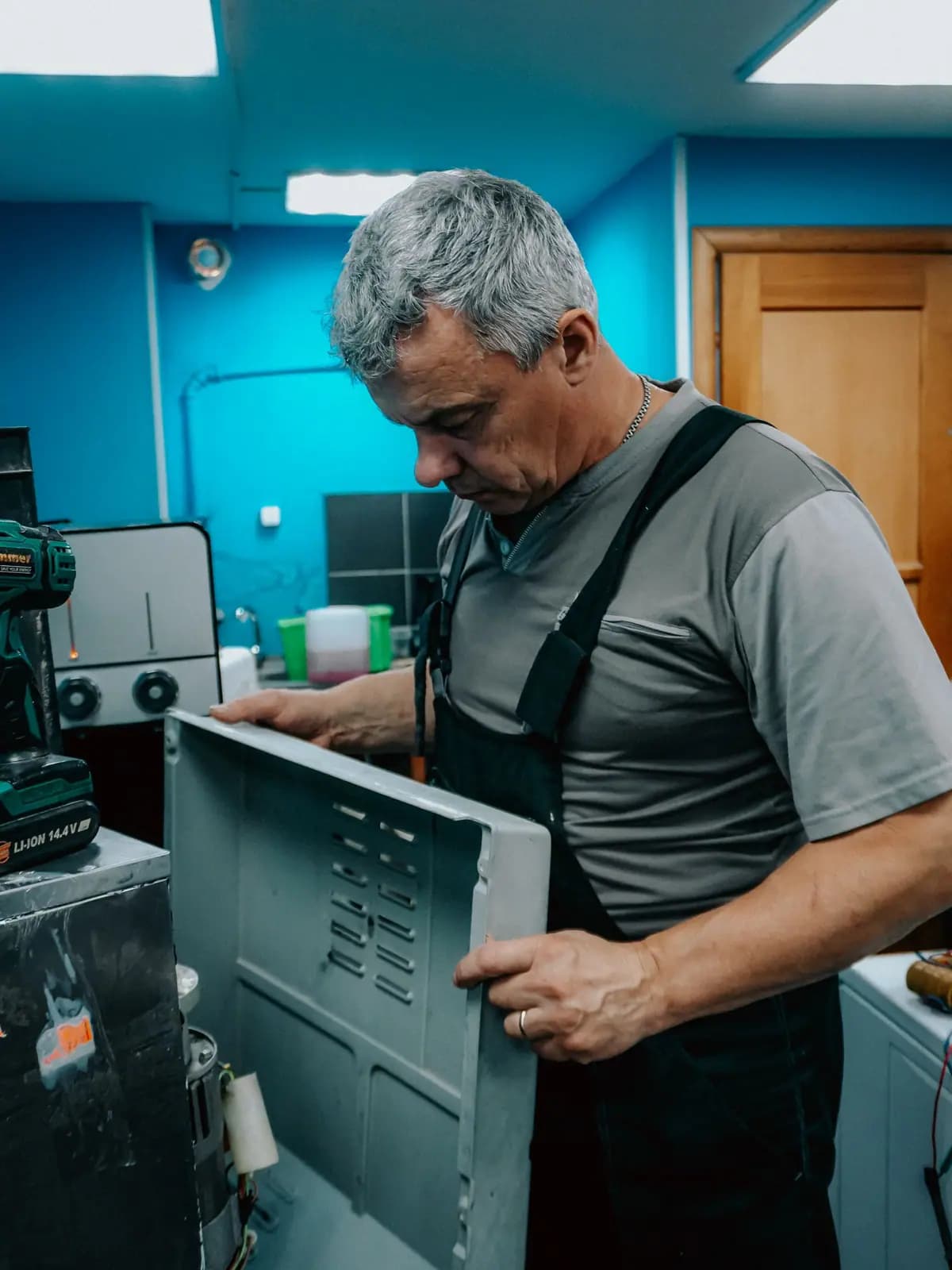
- How much does appliance repair cost?Why appliance repair quotes vary so much — part, labor, access, brand, location, diagnostic fees, and scheduling — and the questions to ask before you approve a repair.
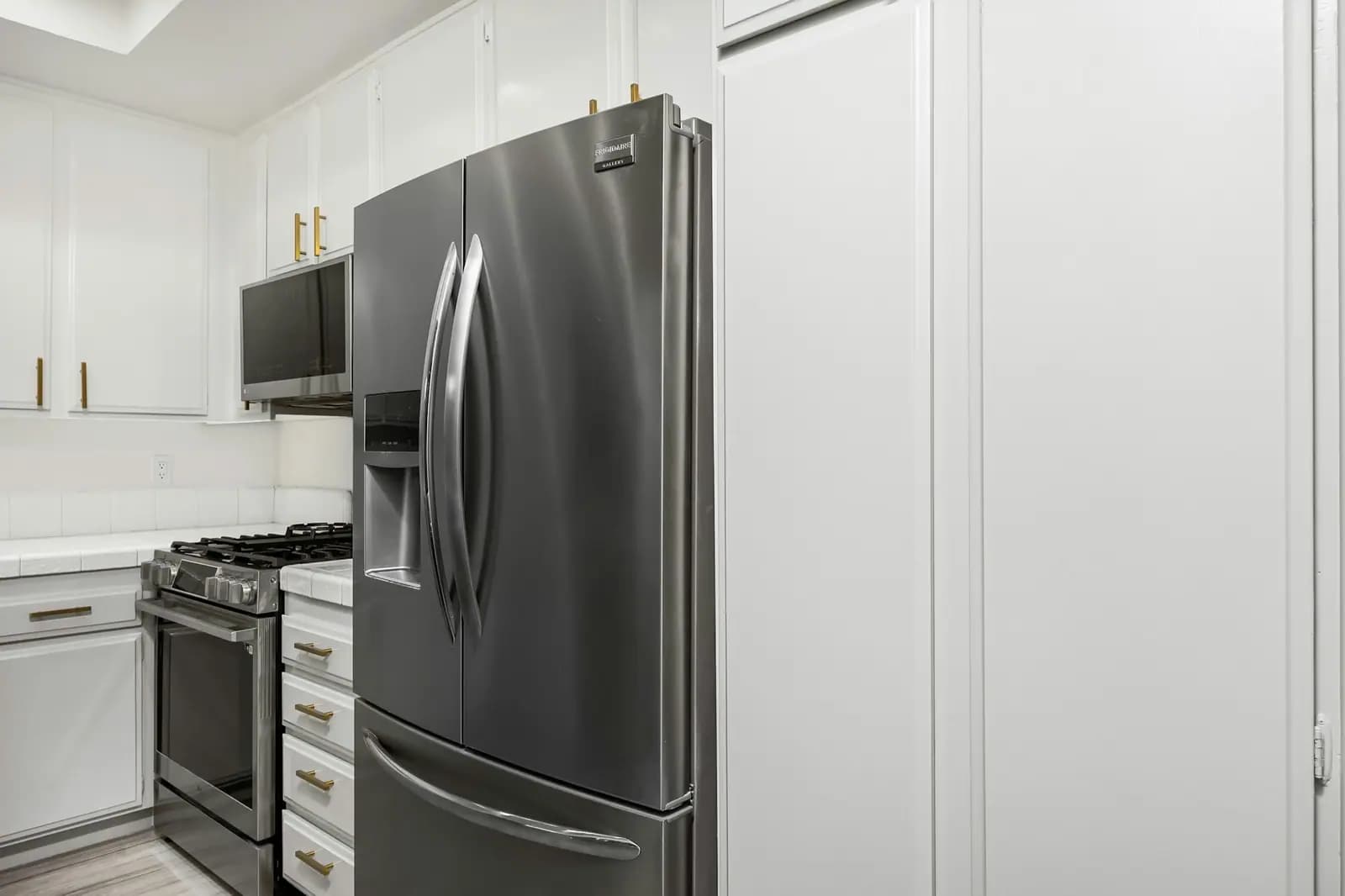
- Should you repair or replace your appliance?When to repair or replace a refrigerator, washer, dryer, dishwasher, or oven: failure severity, quote vs new, repair history, parts, efficiency, and safety.
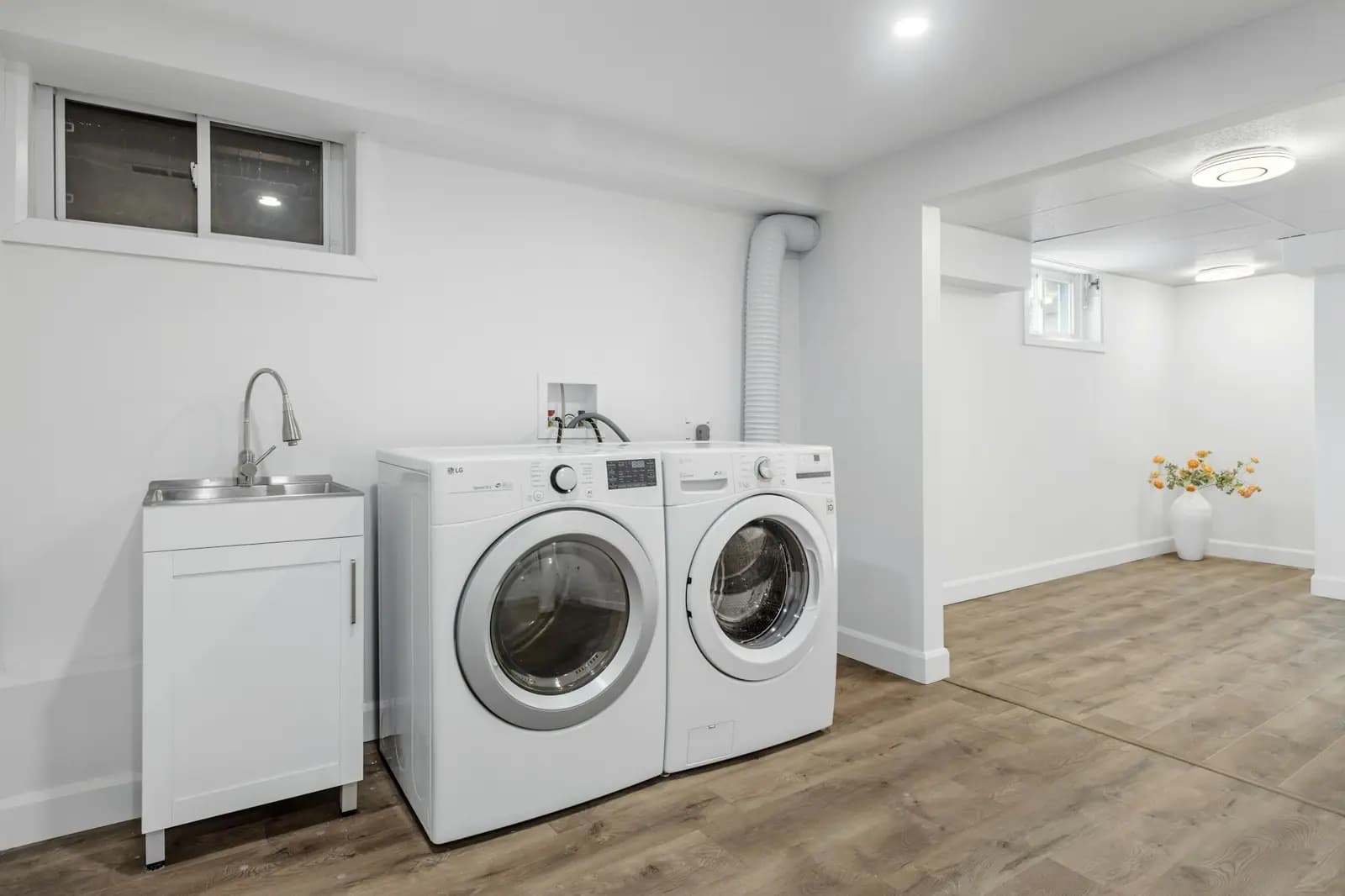
- Using appliances after a power outage or floodWhat to do with food, when it's safe to restart appliances after an outage, and why flooded appliances need inspection before use.
- How to prepare for an appliance repair visitWhat to have ready, what to ask, and how renters and condo owners should coordinate — so the first visit can actually fix the problem.
Questions
Do you repair appliances in every state?
RepairHearth publishes repair guidance for every state. Repairs are done by independent, participating providers, added market by market. Call us to talk through your repair.
Is my appointment booked when I submit a request?
Not yet. Your request is saved, then sent to a participating provider, who contacts you to accept and confirm a time. You'll see exactly which step you're at.
Do you service my brand?
Providers list the appliance types and brands they service. Include your brand and model in the request so it reaches a provider who works on it.
What should I have ready?
Brand and model number, what's happening and since when, any error codes, and access notes for your home or building.
Call for appliance repair
Takes under a minute. No account needed.
Our phone line is being set up. Please check back soon.